


I don’t mean to be dramatic or morbid.
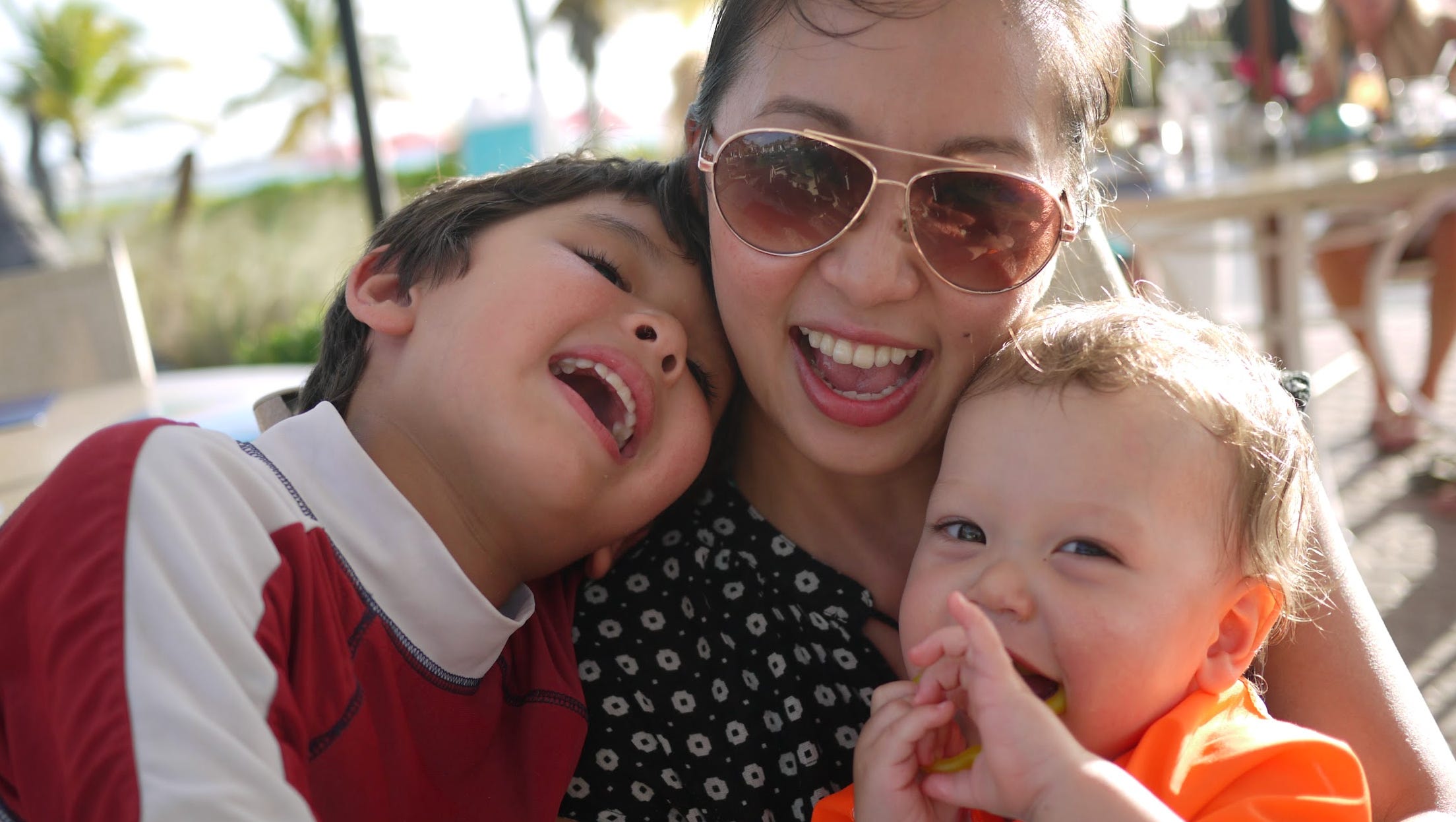
But more than once I lie awake in the middle of an ordinary night, feeling the weight of everything I want to pass down, and wondering if I’ll have enough time, enough words, enough chances.
So I started jotting it down.
Every life lesson I wanted my boys to hear in my own words — from how to be a helper, to take ownership of tasks when they have a partner, how to make decisions they can stand by, how to define and hold boundaries in life and in accumulating things, and how to raise their own children someday and be able to hold space for big emotions instead of avoiding them. It goes on.
Now, I know that children learn by watching, and they’ll pick up a lot just from seeing the way I live. I also recognize I’ve gotten into my head about my mortality and my insecurities as a mom, and I needed to reassure myself that if I put words onto a page, they’ll have a mom manual to guide them, no matter what happens.
So for about three years, I eased my anxious mind by creating a collection of tips and insights from my lived experience. A legacy project, so to speak.
❤️
The writing process was nothing like I expected.
I’d sit down with a clear idea of what I wanted to say, and weeks later I’d scrap the whole chapter because reading what I’d written after taking care of a sick child or aging parents not only took up more of my capacity, they changed my outlook and took my writing in a direction that felt more necessary.
Sometimes after a client session with a family facing different challenges than my own, or after coming up with a spontaneous solution that met the moment — every new experience and realization became another point worth noting.
I wrote and rewrote.
I second-guessed myself constantly. Should I even be writing a book?
And then I’d remember that when I was experiencing power struggles with my own children around cleaning up, no parenting books talked about organizing more than a page about making it fun. And no organizing books talked about including children in a way kids could realistically maintain (which meant, once again, it fell on the parents to get it done with possibly resentment and frustration).
And yet every family that I’ve worked with has shown me the two were completely inseparable. You can’t get a child to participate in caring for the home if the relationship is running on fear. And you can’t build connection with your child if the clutter is constantly draining your patience where empathy feels out of reach.
As I continued on this path, it grew bigger than something for my kids.
It became what I wished every new parent had on their shelf before the chaos and power struggles began.
I wrote it for the families that experienced daily frustrations when they can’t find what they needed when they’re already late for practice. The parent who has been carrying too much but stayed silent. The ones that have tried to keep up with the sticker charts and used the threats and the bribing with screen time.
I wrote it for the parents who love their kids deeply and still sometimes lose it over a pile of laundry on the floor.
And I wrote it for their kids too.
Because children deserve to feel trusted, capable, and seen, not little robots being managed. And just because they didn’t earn the money to buy something doesn’t mean they lose the right to have an opinion about it — or have to prove they’re responsible enough to earn back something that was taken away to teach them a lesson.
The Dooley Method guide is built on prioritizing the parents’ capacity, nervous system, and patience, so they can work alongside their children instead of doing it all for them.
It also prioritizes the children’s autonomy and their sense of belonging — trusting that the decisions they make along the way reveal who they are and what matters to them.
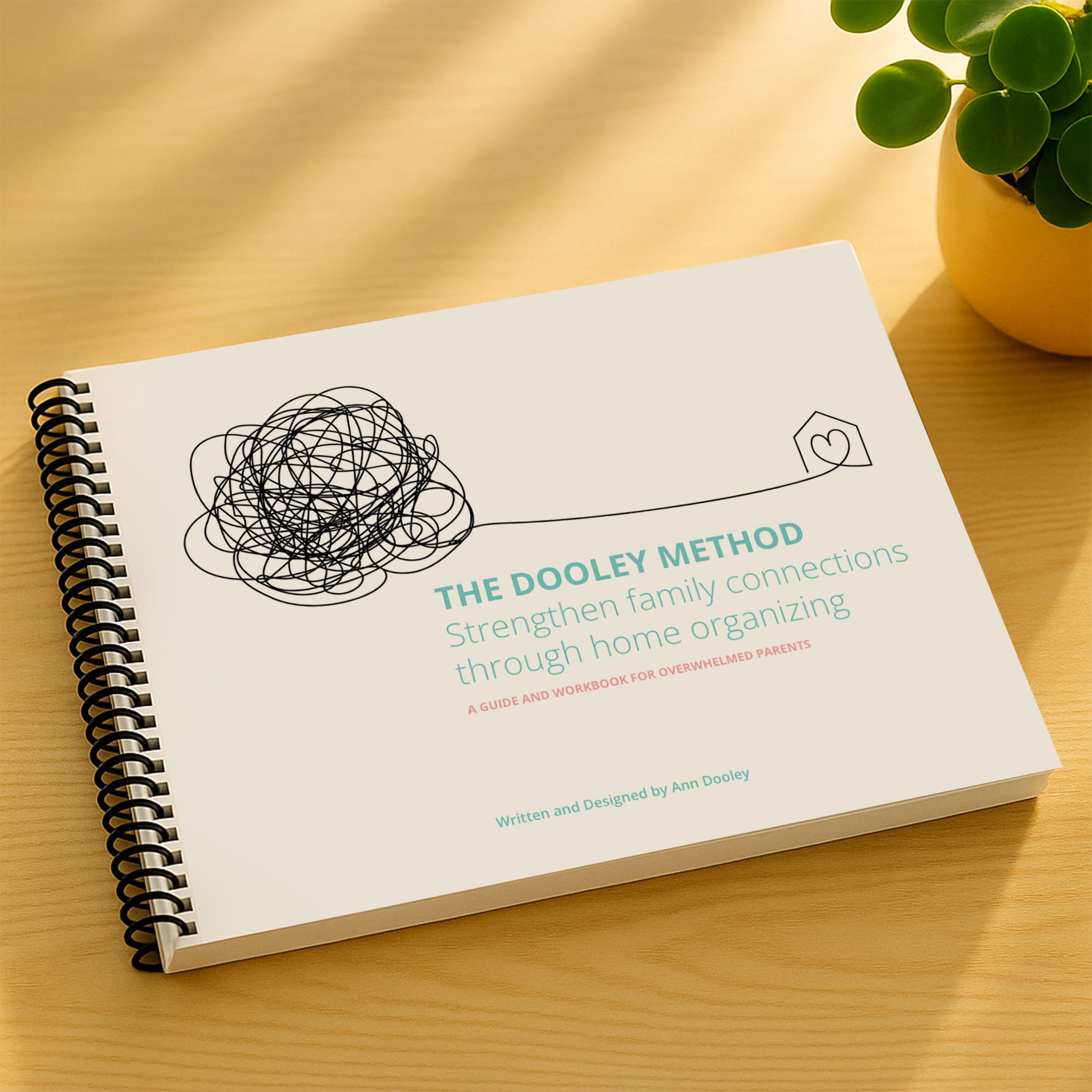
I tapped into my design background to intentionally lay out each page so exhausted parents can access the information quick and simple.
One lesson per page, step-by-step, with larger font and clear summaries, because when your fuse is getting shorter by the minute, you need the information fast. And the spiral binding makes it easier to write on the worksheets and flip to your sticky notes. (Put one on chapter 4, lesson 4, Stress Regulating Tools for Parents in case of an emergency, or print that page from the e-book and stick it inside your medicine cabinet door.)
Every painstaking decision in this book came from a worried mom who just wants to make sure her kids have her best advice — you can be certain it came from a gentle place of love.
I hope you’ll have a chance to benefit from my collection of personal and professional experiences in home organizing, parenting, and decades of self work and healing. If you do, I’d love to hear how things go.
Joyfully,
Ann
P.S. The sneak peek is free to download with lessons you can start today with your family. When you’re ready for the complete guide and workbook, upgrade to paid to start reading from the library.

❤️
Prefer a physical copy?
For those who enjoy highlighting, referencing what you’re working on, writing directly in the workbook, or adding sticky notes — a printed copy is available here. You’ll be redirected to my publisher to complete your order.