


These fights always began with me yelling or saying something passive aggressive.
Usually they end in silence — me walking away, tears streaming down my face. Not because I regretted how I handled it, but because I lost.
“You want to go live with your grandma so you never have to clean up?” That rejection, that threat of abandonment — it came out so easily because I had lived it.
My younger son was about 4 when I had just become a professional home organizer. After letting my frustration build and nagging him multiple times about cleaning up his mess, I’d had it.
I felt like an imposter, embarrassed that I couldn’t get my own child to do what I could do so easily. Organizing had always been something I did well, something I got praised for. And now I couldn’t get my son to clean up without yelling, or pointing my finger for “making me” react that way.
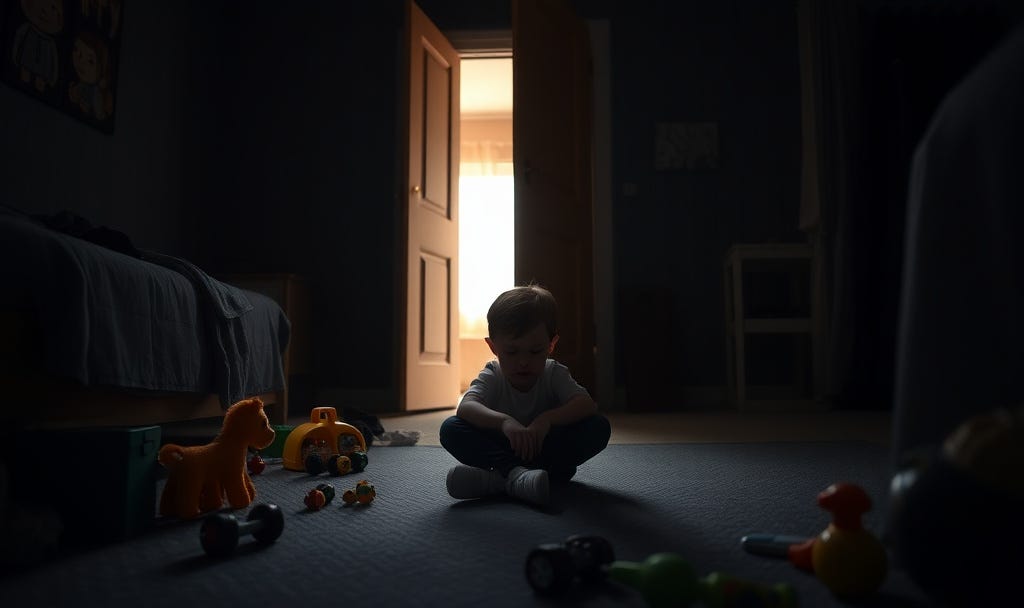
In those moments, I was often tempted to go British Super Nanny style, sending him to the naughty chair until he complied. Then I found out I didn’t need to. My son had put himself in time outs. He sat inside a dark closet, not wanting to be seen. It took me a long time to understand that his withdrawal was what shame looks like. But I was too caught up with my own shame to see what was going on.
Almost a decade later, having learned the science behind children’s behavior and our fight or flight responses, I realized the discomfort I couldn’t tolerate was my fear of being judged as a bad mom. I needed visible proof that I was raising responsible children. And when I didn’t get it, I had a tantrum and saw my son as the culprit. I didn’t consider that maybe he struggled with transitions, that maybe he felt powerless because he had no choice in when or how I wanted things done.
To make the point more clear, I came across an Instagram account with nearly a million followers — the American version of Super Nanny. She’s stern, almost militant. Each post opened with a clip of a child acting out, framed as out of control, chaotic, the villain in the situation. Through new lenses, I no longer saw those children as the enemy. Instead, I recognized that their big emotions had no room to exist, no one there to help them navigate those feelings, until they had no choice but to go quiet.
It wasn’t calm, or regulation. It was defeat.
But power over doesn’t create cooperation. It creates more distrust, more anxiety, more distance. The temporary compliance is a coping mechanism, not them taking responsibility. And that divide doesn’t just go away. It shapes how children see the world and how they respond to it. Even long after they’ve left your home, those patterns linger and show up when the children become parents themselves.
What changed for me was when I finally decided to not stay stuck in that cycle. And the answer I found was simpler than I expected.
Fifteen minutes of uninterrupted connection time, showing up every day. For seven years, we have never missed a day. My son takes the lead and I go on an adventure with him.
What grew from that wasn’t just a closer relationship. He learned to be more responsible as I became more willing to see the situation from his perspective. Even when he doesn’t follow through, we talk about it calmly. I don’t feel the need to raise my voice because our connection has created trust and safety between us. When he misses a deadline, we get curious about what distracted him or what might help him remember. I hold the space, and he comes up with a new plan and tries again.
That mess was never really the issue. It was about being able to see what’s going on beneath the heated emotions, then give each other permission to be human, to make mistakes and learn from them. Because when a child feels safe and connected, the reason to fight ceases to exist.
❤️
Joyfully, Ann
Want more cooperation from your kids? The lesson below is for paid subscribers.
For about the cost of a large oat chai latte with whipped cream, you can start turning the daily negotiation into teamwork.
The step-by-step tools are yours to keep, plus access to more lessons that come with your membership. (From how to raise responsible kids to time-tested decluttering tips to help you let go with confidence, you’ll have tools that’ll bring your family results that last.)
If you have any questions, feel free to message me. I’m here to support your family’s journey to more calm and connection.

» More lessons included in your membership
» Get more 1:1 support from Ann (and book a complimentary consultation)
I love your honesty in writing this! I have definitely felt some similar emotions with my own children, and breaking those habits can be so difficult. Thank you for sharing this!