


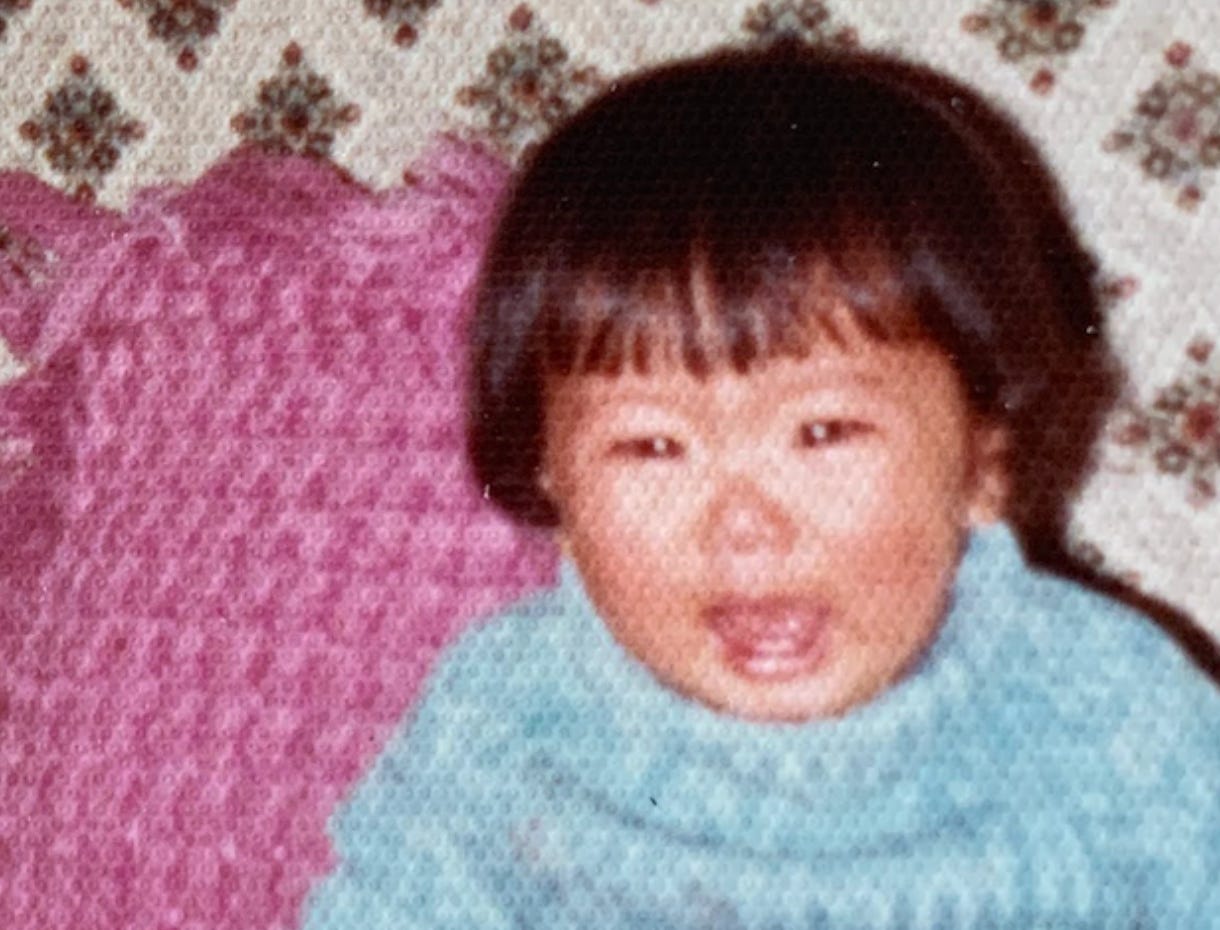
I grew up in a house where crying wasn’t allowed.
When I cried, I was yelled at to stop.
So I learned to fight the urge and keep it hidden.
That lesson followed me into motherhood.
I push through, believing that tears gave away my insecurities and fears.
It felt risky.
Like once I started, I wouldn’t be able to pull myself back together and still do what needed to be done.
Many moms I’ve worked with can relate.
They keep going because pausing to feel isn’t an option.
Keep going means wiping your tears with the kitchen towel after doing the dishes alone.
Keep going means answering your child’s question in a steady voice while something inside you is cracking.
Keep going means saying to a friend with a half smile that you’ll have to wait until the kids are out of the house to have an organized home.
Making matters worse, when kids cry over cleaning up, it can stir a subtle jealousy in parents when noticing that their children have an emotional freedom they themselves have learned to suppress.
And then the cycle begins.
Parents want their kids’ crying to stop, partly for their own sake, to calm their own nerves.
They bargain, distract, and threaten consequences they don’t really want to enforce.
But what I didn’t know then was that crying is good for us.
It’s a sign that we’ve taken on more than we can handle and change needs to happen. And even if the solution isn’t clear, it nudges us a little closer to asking for help.
Shedding tears also helps restore balance by releasing excess stress hormones. It's the body's natural way of easing back toward calm.
Realizing that my tears are meant to help me took away the belief that I was weak. It was my body communicating with me. It felt like something to embrace and let it happen.
It became the start of something changing, or moving in the direction that will not be so heavy.
For nearly 10 years, I’ve been working with mostly moms to declutter and organize their home.
In the last 3 years, I changed how I work so the whole family can contribute.
I’ve seen couples arguing over the mess come together. I’ve seen children become calmer and more confident to do their part.
Tears still happen, but out of joy.
I’m not saying this is easy, or that home organizing can change everything not working in your home.
But it’s the path that will make everything else change.
When I’m on a call with parents who have been holding it together, and are surprised when their eyes well up.
They tell me have been running on autopilot just to get through the day, and anger and frustration are the only emotions that end up coming through.
They apologize for crying.
And I always tell them to trust that the tears are doing their work, and that there’s no shame in asking for help.
I’m opening 2 spots next month to work with families whose spaces feel taken over by clutter. This is for parents who have been carrying it all by themselves, and frustrated by the same power struggles over the mess.
I’m looking to help parents who want to get to the root of the problem, develop confidence through hands-on practice, build lasting habits together, and experience the transformation with their children as young as three.
The next step? Book a 15-minute call to see if we are the right fit.
If we’re not, I will point you in the right direction.
If we are, we’ll set up a longer call to go through what a plan for your family would look like. Partners are welcome on the call so we can all be on the same page.
❤️
Here’s another article that might interest you:


Handling things has felt a bit harder these past few days, and the state of the house really adds to my stress. My 11-year-old keeps cleaning up and unloading the dishwasher, asking me, "Mom, what's wrong?" And I honestly don't even know what's wrong with me... I just feel like crying without knowing the reason.
This piece really brought so much clarity and light to what I’m feeling. Thank you so much for sharing this! 🤍✨
Crying is a release valve. It can make you feel better. I'm sad that you were taught not to cry but your inspiring essay will help others understand the benefits of a good cry.